
(Note: As I have done in past elections, I am running a series of Q&As for Democratic judicial candidates. I ran a series of these for candidates in contested primaries, and now these are for the rest of the candidates. I am running these responses in the order that I receive them from the candidates. Much more information about Democratic candidates, including links to interviews and judicial Q&As, can be found on Erik Manning’s spreadsheet.
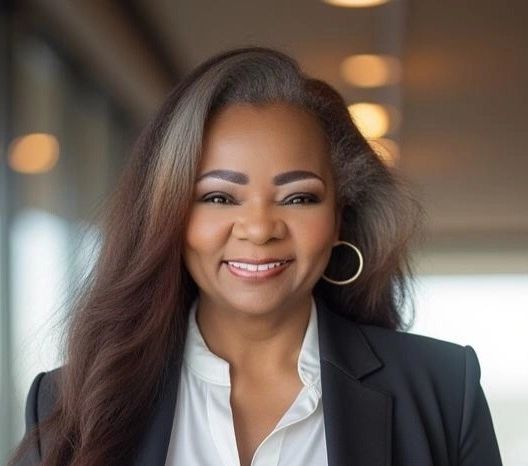
Judge Linda Dunson
1. Who are you and in which court do you preside?
I am Judge Linda Marie Dunson, and I am honored to serve as the Presiding Judge of the 309th Family District Court in Harris County, Texas. I have dedicated my legal career to serving families, protecting children, and ensuring that every person who enters my courtroom is treated with dignity, fairness, and respect. For me, being a judge is more than a position—it is a responsibility to administer justice with integrity, compassion, and fidelity to the law.
2. What kind of cases does this court hear?
The 309th Family District Court hears cases involving some of the most important and personal issues people will ever face. Those include divorce, child custody, child support, enforcement matters, protective orders, and cases involving the Texas Department of Family and Protective Services.
These cases involve real families at critical moments in their lives. The decisions made in family court can affect a child or family for many years, so I approach every case with careful attention to the law, the evidence, and the individual circumstances before me.
3. What have been your main accomplishments during your time on this bench?
One of my greatest accomplishments has been working to make the 309th Family District Court a courtroom that is efficient, accessible, fair, and responsive to the needs of families.
I am especially proud of our work in trauma-informed care. The 309th was selected as one of six Trauma-Informed Pilot Courts in Texas, and I have worked to bring greater awareness of trauma and its impact on children and families into the administration of justice.
I am also proud of our Annual Family Reunification Celebration, where we recognize families who have successfully navigated the child welfare system and have been reunited with their children. It reminds us that courts should not simply process cases—we should also recognize progress, accountability, healing, and successful outcomes.
Throughout my service, I have also emphasized professional development, collaboration with community partners, and maintaining a courtroom where people are heard and treated with dignity.
4. What do you hope to accomplish in your courtroom going forward?
Going forward, I want to continue building upon the progress we have made.
My goal is to make the 309th Family District Court even more efficient while never losing sight of the people behind every case number. I want to continue strengthening trauma-informed practices, improving outcomes for children and families, reducing unnecessary delays, and expanding collaboration with attorneys, agencies, and community partners.
I also want to continue looking for innovative ways to improve access to justice. Family court can be overwhelming, particularly for people who have never encountered the legal system before. A good court should be fair, understandable, efficient, and respectful.
Ultimately, I want the 309th to continue being a court where the law is followed, families are treated with dignity, and children remain at the center of the decisions that affect their futures.
5. Why is this race important?
This race is important because family courts touch the lives of thousands of Harris County families.
When people vote for a family court judge, they are choosing the person who may one day make decisions affecting their marriage, their children, their safety, or the future of their family.
Judicial elections matter. Experience matters. Temperament matters. Knowledge of the law matters. And having a judge who understands both the legal and human dimensions of family law matters tremendously.
The voters deserve judges who will be independent, fair, prepared, compassionate, and committed to equal justice under the law. That is why this race deserves their attention.
6. Why should people vote for you in November?
I believe the people of Harris County should vote for me because I have demonstrated the experience, leadership, temperament, and commitment necessary to serve effectively on this bench.
I know this court. I know family law. And I understand the tremendous responsibility that comes with making decisions that can shape the lives of children and families.
My record reflects innovation, professionalism, fairness, and a commitment to improving the administration of justice. But just as importantly, I have never forgotten that behind every case number is a person—and often a child—whose life will be affected by what happens in that courtroom.
I am asking the voters to allow me to continue the work we have begun: keeping families first, protecting the integrity of the court, and administering justice fairly and impartially.
I would be honored to earn their vote in November and to continue serving as Judge of the 309th Family District Court.
PREVIOUSLY:
Judge Damiane Dianne Curvey, 280th Family District Court
Judge M. Monica Singh, Harris County Civil Court at Law #4
Judge Cory Sepolio, 269th Civil District Court
Samantha Davis, 313th Juvenile District Court
Judge Melissa Morris, 263rd Criminal District Court
Judge Toria J. Finch, Harris County Criminal Court at Law #9
From the primaries:
Judge Kristen Hawkins, Supreme Court Justice, Place 7
Sarah Beth Landau, Chief Justice of the Fourteenth Court of Appeals
Judge Tanya Garrison, 157th Civil District Court
Julia Maldonado, 183rd Criminal District Court
Judge Brian Warren, 209th Criminal District Court
Judge Josh Hill, 232nd Criminal District Court
Judge Leah Shapiro, 315th Juvenile District Court
Judge James Horwitz, Harris County Probate Court #4
Ebony Williams, Harris County Civil Court at Law #2
Judge Andrew Wright, Harris County Criminal Court at Law #7