
(Note: As I have done in past elections, I am running a series of Q&As for Democratic judicial candidates. I ran a series of these for candidates in contested primaries, and now these are for the rest of the candidates. I am running these responses in the order that I receive them from the candidates. Much more information about Democratic candidates, including links to interviews and judicial Q&As, can be found on Erik Manning’s spreadsheet.
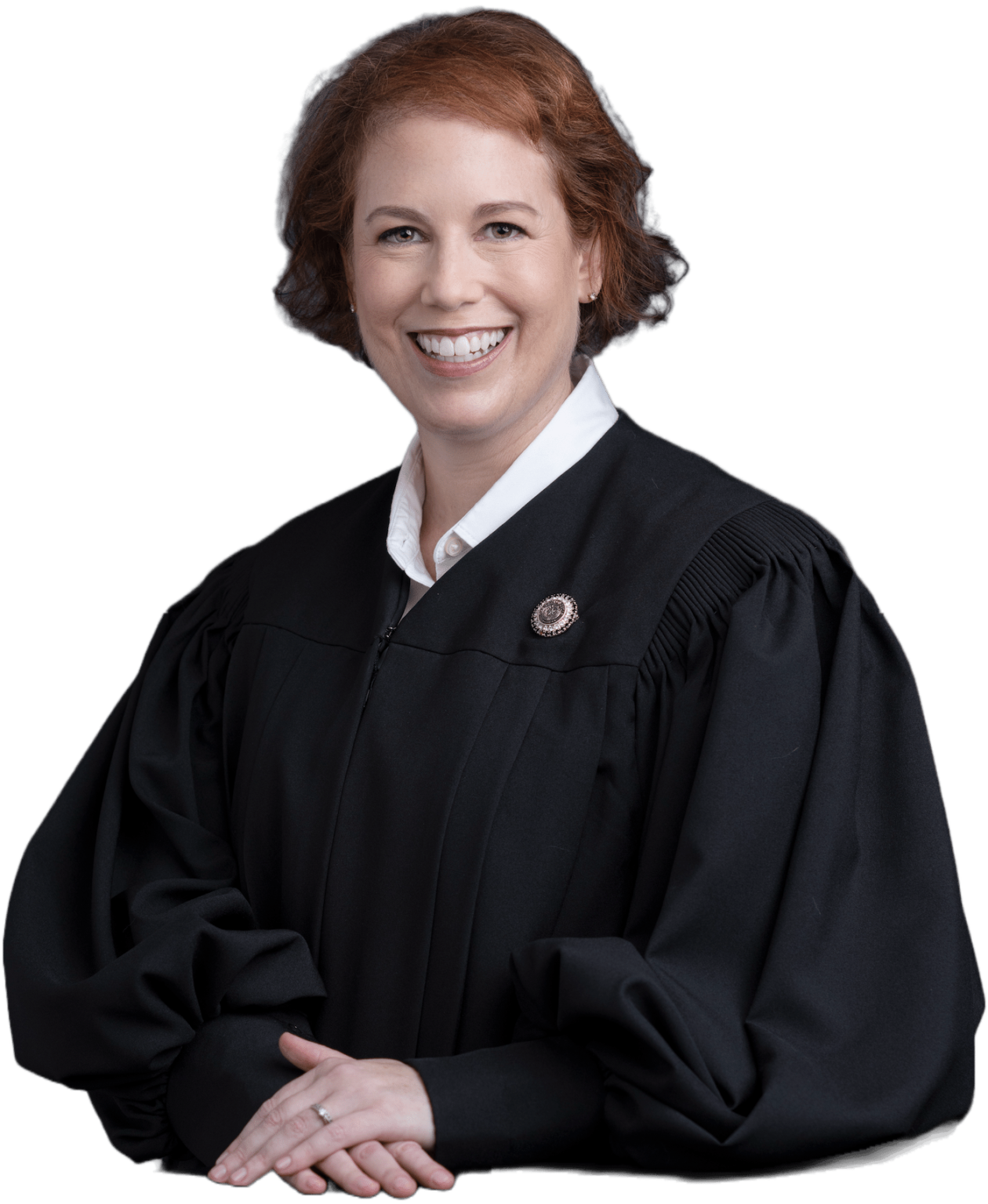
Sarah Beth Landau
1. Who are you and what are you running for?
My name is Sarah Beth Landau. I am running for the open seat of Chief Justice of the Fourteenth Court of Appeals. The current chief is retiring at the end of the year.
2. What kind of cases does this court hear?
The intermediate court of appeals is the garbage disposal of the Texas justice system. Over 90% of cases end at the court of appeals because, unlike the Texas Supreme Court and the Court of Criminal Appeals that choose what cases they hear, the court of appeals has to hear all the cases appealed to the court. The court hears civil, criminal, juvenile, family, and probate cases from 10 counties around Houston. It includes everything except death penalty cases – those go directly to the Court of Criminal Appeals.
3. Why are you running for this particular bench?
I served as a justice on the First Court of Appeals for six years. (The two courts of appeals that serve the Houston area do the same work and cover the same jurisdiction.) There were changes that I had wanted to make to the court that I thought would benefit the court, the litigants, their lawyers, and the wider public, but it would be a lot easier to make those bigger changes as a chief justice with responsibility over court administration. As a justice, I brought brief writing software to the court to make our opinions easier to understand, I opened the court to weddings for the public, and I overhauled the law student intern program to be a boot camp for first-generation lawyers, among other things.
As Chief Justice, I would like to figure out a way for those law student interns to get paid, for the Houston Bar Association to rate judicial candidates by objective criteria as “highly qualified,” “qualified,” or “not qualified” to help voters make informed decisions more easily, for the court website to be user friendly, and to stop the random closure of the court to the public without warning. I would also like to bring the court into the community more by partnering with commissioner’s court and other public institutions for free events open to the public. I think we can do all this and get our cases decided swiftly and correctly.
4. What are your qualifications for this job?
If elected, I would have the broadest experience of any justice on either court, almost as broad as the court’s jurisdiction itself. I am now in civil trial and appellate practice, but my experience includes civil and criminal, trial and appellate, government service and private practice, and state and federal work. I even tried a family law case earlier this year.
My return to private practice has been a gift in that I see how things operate for litigants in the trial courts. There are opportunities to make things run better and smoother that I would not have been aware of had I been on the bench for the last two years instead.
I also have the resume for the job. I clerked for a federal judge after graduating from Columbia University School of Law. I spent four years in civil litigation practice at Vinson & Elkins before turning to a career in public service. At the Federal Public Defender’s Office, I represented indigent people accused of federal crimes at the trial and appellate level. I’ve handled over 400 appeals and presented dozens of oral arguments in federal court. I spent two years in the appellate section of the Harris County Public Defender’s Office, specializing in juvenile appeals and winning most of them. Since leaving the bench, I have done trial and appellate work for Roberts Markland, LLP, handling everything from defamation to premises liability to religious freedom in state and federal courts.
5. Why is this race important?
There is not one Democrat on this Court after the 2024 election. We need some balance. Sometimes judges do not allow the parties their day in court. Other times, they are the only thing holding the system together. Just a few weeks ago, the court of appeals denied a challenge to a redistricting in Galveston that happened after the primary election in March 2026 without even asking for a response from Galveston County. The Texas Supreme Court disagreed and held that a primary election and corresponding general election are one election for redistricting purposes. There are many cases that do not make the news but affect people’s lives in ways both big and small. We need someone with the smarts, compassion, and vision to do the job.
6. Why should people vote for you in November?
I have the experience and passion to reimagine what the court does and how it does its work. I truly believe that this role is not a job but a calling for me. It’s what I was meant to do. Having seen the law from so many vantage points, I can implement what I have learned to make the court work better for everyone and hopefully educate the public in the process.
PREVIOUSLY:
Judge Damiane Dianne Curvey, 280th Family District Court
Judge M. Monica Singh, Harris County Civil Court at Law #4
Judge Cory Sepolio, 269th Civil District Court
Samantha Davis, 313th Juvenile District Court
Judge Melissa Morris, 263rd Criminal District Court
Judge Toria J. Finch, Harris County Criminal Court at Law #9
Judge Linda Marie Dunson, 309th Family District Court
Judge Kelley Andrews, Harris County Criminal Court at Law #6
Judge Angela Lancelin, 245th Family District Court
Judge Shannon Baldwin, Harris County Criminal Court at Law #4
Julie Countiss, First Court of Appeals, Place 4
Judge Lori Chambers Gray, 262nd Criminal District Court
Judge Teresa Waldrop, 312th Family District Court
Judge Veronica Nelson, 482nd Criminal District Court
Justice Amy Guerra, First Court of Appeals, Place 5
Okey Aniyam, Court of Criminal Appeals, Place 3
BreAnna Schwartz, 497th Criminal District Court
Judge Jason Cox, Harris County Probate Court #3
Justice Chari Kelly, Supreme Court Justice, Place 2
Holly Taylor, Court of Criminal Appeals, Place 9
Judge Raul Rodriguez, Harris County Criminal Court at Law #13
From the primaries:
Judge Kristen Hawkins, Supreme Court Justice, Place 7
Sarah Beth Landau, Chief Justice of the Fourteenth Court of Appeals
Judge Tanya Garrison, 157th Civil District Court
Julia Maldonado, 183rd Criminal District Court
Judge Brian Warren, 209th Criminal District Court
Judge Josh Hill, 232nd Criminal District Court
Judge Leah Shapiro, 315th Juvenile District Court
Judge James Horwitz, Harris County Probate Court #4
Ebony Williams, Harris County Civil Court at Law #2
Judge Andrew Wright, Harris County Criminal Court at Law #7